
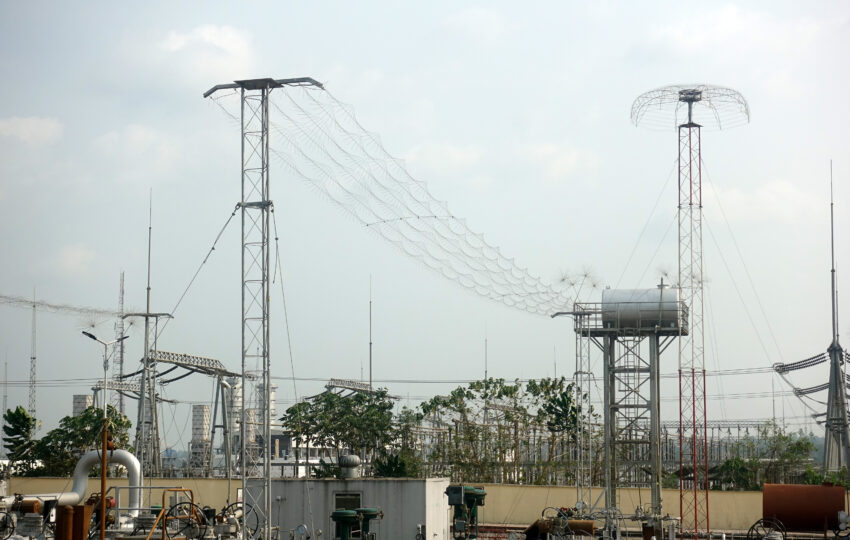
In telecommunications, the physical infrastructure is highly vulnerable to lightning strikes. Towers, antennas, and other elevated structures form the backbone of wireless communications networks, but their height and exposure make them natural targets during thunderstorms. When lightning strikes such infrastructure, the sudden discharge of electrical energy can cause immediate service interruptions, equipment damage and, in severe cases, safety hazards for nearby personnel.
When this occurs, the financial consequences can be devastating. In the world of information and communications technology, ensuring uninterrupted operations is critical. Lightning can disrupt complex systems and lead to catastrophic outages.
To mitigate these risks, operators implement lightning protection systems. However, with many technological advances since the invention of the Franklin Lightning Rod more than 250 years ago, navigating the maze of potential lightning protection solutions can be daunting.
Lightning defense is a specialized body of knowledge that has accumulated for over 200 years. Broadly speaking, lightning defense encompasses two key approaches: lightning protection and lightning avoidance, such as charge transfer technologies. Proper grounding and surge protection are also critical.
Due to the wide range of available technologies, mounting an effective defense against lightning-related threats typically requires a tailored strategy that integrates multiple solutions, each having its own specific purpose for minimizing damage or avoiding it altogether. The optimal combination depends on the specific site conditions and the nature of the operation.
To navigate this complexity effectively, it is essential to engage qualified lightning protection experts who can conduct thorough site evaluations, identify and prioritize vulnerabilities, and recommend appropriate protection solutions.
“Rather than offering a one-size-fits-all solution, lightning protection and mitigation recommendations should be tailored to a facility’s unique vulnerabilities, whether that involves bonding solutions for storage tanks, direct strike avoidance, secondary damage caused by a nearby strike or grounding improvements,” says Luke Pettross, solutions engineer at Lightning Eliminators & Consultants, Inc. (LEC), a pioneer in the field of lightning protection since 1971.
According to Pettross, LEC engineering and sales engineers have a combined over 160 years of experience in lightning protection. Today, LEC’s solutions protect critical operations and structures for some of the world’s most recognized companies, including FedEx, UPS, Marathon Petroleum, Chevron, ExxonMobil, Telluride Ski Resort, and thousands more.
Pettross says the appropriate combination of solutions can only be determined through a comprehensive evaluation of each facility’s current protection measures, grounding systems, and overall risk exposure.
“Understanding a facility’s past issues, vulnerabilities, and protection goals helps determine whether the solution should focus on grounding enhancements, surge protection, direct strike avoidance, secondary damage from a nearby strike, or a combination of all three,” says Pettross.
By conducting a thorough site assessment, LEC helps facilities identify vulnerabilities and implement customized mitigation strategies, whether that means improving grounding, adding targeted surge protection, or implementing direct strike mitigation solutions.
For more information: call 303-447-2828; email info@lecglobal.com; or visit lightningprotection.com.