
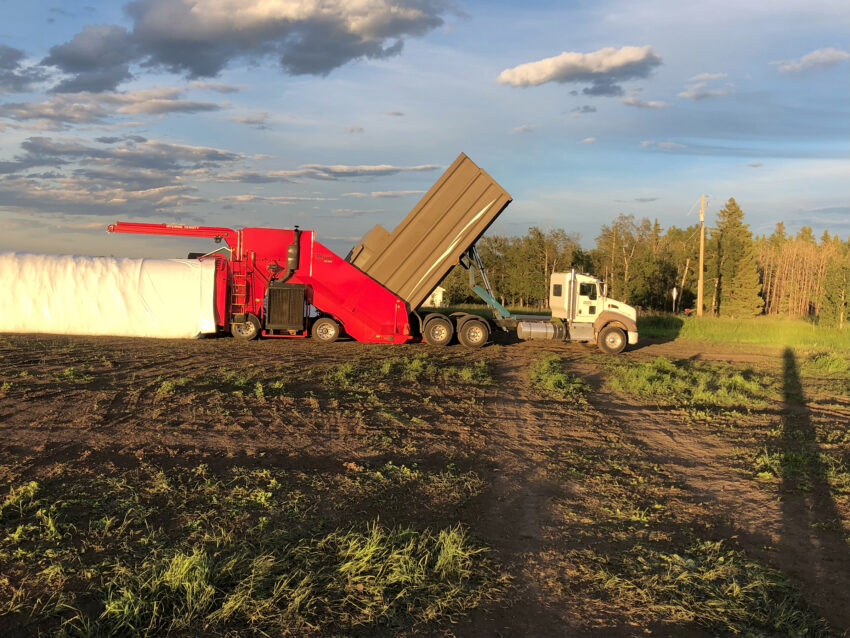
When making the case for bagged silage versus other storage methods such as silos, pits, or bunkers, it is helpful to start with the fundamental premise: properly stored and well-preserved silage retains more nutrients while reducing yeast, mold, and mycotoxins that can cause digestive disorders, milk production losses, reduced immunity, and poor breed-back performance.
Fresher, more palatable feed also encourages more consistent, higher levels of dry matter intake, which increases digestibility, promotes weight gain, enhances milk yield, and contributes to improved reproductive performance.
Collectively, these advantages translate into stronger immune function, fewer health issues, and more productive, resilient animals. These benefits are well supported by a substantial body of research, with numerous studies demonstrating clear links between feed quality, animal health, and overall productivity.
“Silage is a cost-effective, sustainable way to provide dairy cattle with many of the nutrients and calories they need to stay healthy and productive,” says Mike Martin, a dairy consultant with Homestead Nutrition, Inc. in southeastern Pennsylvania.
When forage is harvested at the proper moisture level and the bag is filled, packed, and sealed correctly, it creates and maintains an anaerobic environment helping preserve nutrients while inhibiting spoilage.
Martin says he has seen clear differences in packing quality at dairies and poorly packed bags are not uncommon. In one case involving a Versa bagger, he said he was struck by how tightly the silage had been packed.
Astoria, OR-based Versa Corporation, a global leader in agricultural silage bagging and handling, created innovative adjustable density systems that facilitate tighter packing of longer silage bags than the industry norm, which minimizes air pockets and spoilage while maximizing storage capacity.
“The better you have the material packed, the less oxygen it is exposed to, and that is the name of the game with fermented feeds,” says Martin. He explains that oxygen allows mold to develop, and mold can lead to mycotoxins that negatively impact herd performance. This includes issues in milk production and reproduction, including cows that do not breed back as they should.
In a dairy operation, breed-back intervals are critical to maintaining consistent milk production and profitability. Ideally, cows should be pregnant again within 60 days after going dry so they can return to lactation on schedule. Modern herd management software tracks these intervals, and many dairies report an average breed-back of approximately 85 days.
While they aim to shorten this timeframe, challenges like poor nutrition or herd health issues can extend it as much as 90 to 120 days, which is a major financial loss.
Suppressing yeast and mold growth provides another important benefit. By limiting exposure to oxygen, the bagging process helps prevent contaminants from consuming valuable carbohydrates and proteins, resulting in greater nutrient density.
Studies published in journals such as the Journal of Dairy Science and Animal Feed Science and Technology also consistently demonstrate that high-quality silage supports more stable rumen fermentation. This stability is associated with improved fiber digestion, more consistent dry matter intake, and a lower risk of metabolic disorders such as subacute ruminal acidosis.
For more information, call (800) 837-7288 or visit versacorporation.com.